
Joshua Gilbert talk:
“An AgriCulture Yarn“
Sat 25 October, James Theatre, Dungog, from 11am + informal fund raiser lunch
Come and listen to Joshua Gilbert talk about his new book “Australia’s Agricultural Identity: An Aboriginal yarn”. He puts the culture back in to Agriculture, and sheds light on the role identity plays in the past, present and future of farming.
Josh is a proud Worimi farmer, author and academic sharing his contemporary and traditional knowledge in our sixth Listening to Indigenous Voices Presentation.
Farmer’s bios are often derivatives of numbers; Number of cattle, acres, generations on the farm and commodities produced. In contrast to this Josh gives voice to the value of traditional knowledge, connection to country and the potential of a truely Australian Agricultural Identity.
This FREE event is hosted collaboratively by PAW Science & Ideas, HubThrive & Reconciliation Dungog.
.. . ..… … . . . . …. . .. .. .. . . . . . .
Join in….
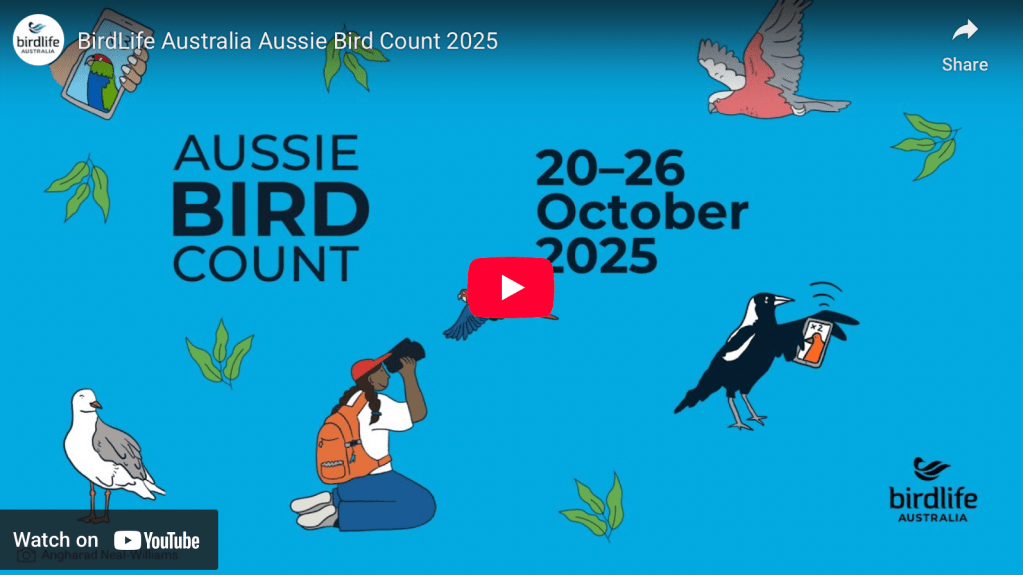
Aussie Bird Count 20-26 Oct
@ your place or some local bushland nearby
Why counting matters
Birds are everywhere. In our backyards, balconies, local parks and schoolyards, and they have amazing stories to tell about the health of our environment. Right now, one in six Australian birds faces the threat of extinction, making it more important than ever to pay attention.
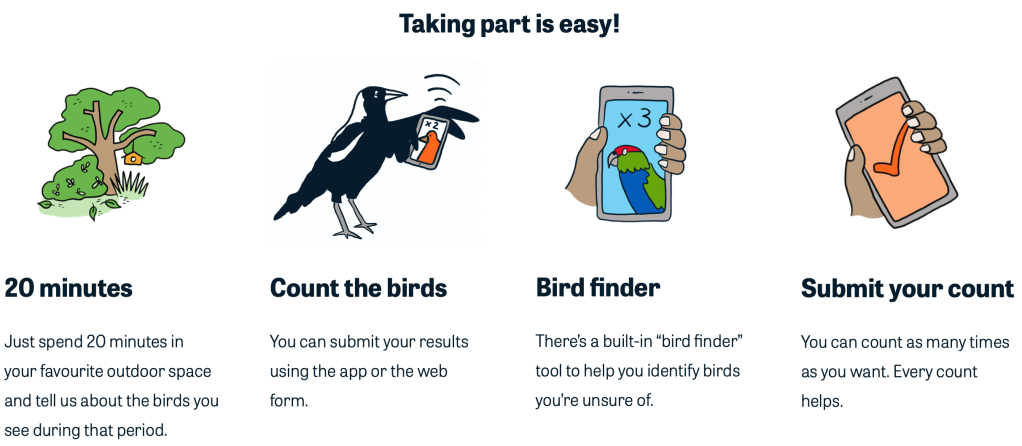
The Aussie Bird Count is a fun, easy way for all of us to take a national snapshot of the birds we see and start noticing the nature around us. With just 20 minutes, you can help build a picture of how our feathered friends are faring and contribute to something that really counts.
Visit https://aussiebirdcount.org.au to get involved & find out more….
And while you are there check out the handy resources!
.. . ..… … . . . . …. . .. .. .. . . . . . .
Dr Annette Gero talk:
“The History in Quilts“
Fri 5 September, James Theatre, Dungog, from 10.30am + cuppa & chat
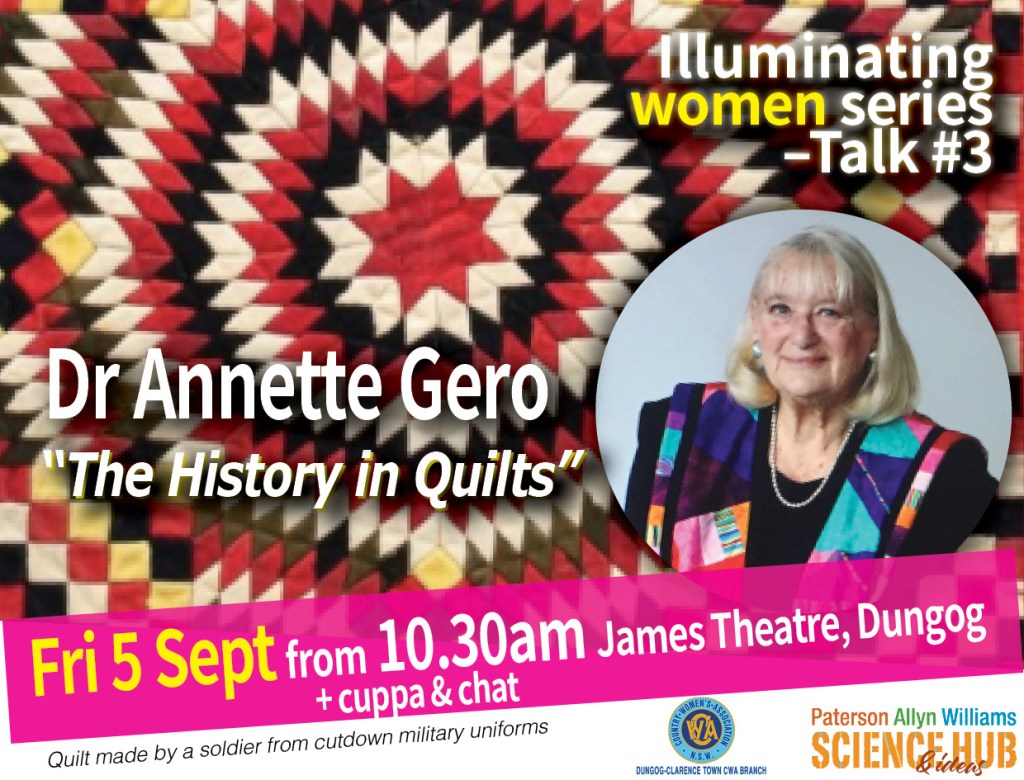
Join us for another FREE community event highlighting the achievements of women. Register here
Join us for a fascinating talk with Dr Annette Gero, internationally recognised quilt historian, collector, and author. Annette has spent decades uncovering the hidden stories within quilts—records of women’s lives, resilience, and creativity from convict times to the 1950s. Her acclaimed collection, especially of military quilts, has been exhibited worldwide and earned her a fellowship with the Royal Society of London.
But there’s another side to Annette’s story.
As a professor of parasitic drug design at the University of NSW, she led pioneering research into anti-malarial treatments in collaboration with the World Health Organization and the American Army. The only woman in her department, she forged a path in science with the same passion and determination she brought to quilt history.
In this engaging talk, Annette asks: do our genes or our jeans shape our lives? Is it biology, gender, upbringing—or personal drive—that defines our path? Drawing on her dual careers in science and textile history, she invites us to consider how identity, passion, and circumstance intertwine. Don’t miss this thought-provoking reflection on a life stitched from two extraordinary threads.
Annette will have a range of her books on display and available to purchase.
Want to see more quilts? Dungog/Clarence Town Branch CWA is having a quilt display and sale at the CWA hall on Dowling Street Dungog – Fri 5th after the talk & Sat 6th 9-12 as well as the following week from Wed 10th to Sat 12th 9-12.
.. . ..… … . . . . …. . .. .. .. . . . . . .
Gillian Cavert AO talk:
“A journey of collective strength“
Fri 18 July, James Theatre, Dungog, 5.30-7.30pm + soup & chat

PAWSIH is collaborating with the Dungog Clarence Town CWA to bring you a series of talks throughout 2025. Free & open to all. With lots of opportunity for discussion afterwards. Book online here.
Join us for another FREE community event highlighting the achievements of local women.
Gillian Calvert AO—the first Children’s Commissioner in Australia—as she reflects on the defining moments of her life—from a rural upbringing shaped by strong female bonds to leadership in feminist action and child advocacy.
Through powerful stories and lived experience, she explores how women’s collaboration drives lasting change—for themselves, families, communities, and especially children. Her journey highlights the transformative power of women supporting one another, and the ripple effect it has across generations.
This is a compelling call to elevate women, value care work, and amplify children’s voices so they are not only protected, but meaningfully included in shaping their future. When women are empowered and connected, children thrive.
What others have said about Gillian
“Gillian’s visionary leadership and unwavering commitment have empowered women to collaborate, lead, and create lasting change in their communities and beyond”. The Hon. Megan Latham, Fmr NSW Supreme Court Judge
“Gillian pioneered a new era of children’s advocacy in Australia— establishing the nation’s first Children’s Commission, championing children’s voices in decision-making, and driving national and international reforms that recognised children as active citizens with the right to be heard.” Claire Robbs, CEO Life Without Barriers
“Gillian has led transformative system change—pioneering collaborative, cross-sector approaches that reimagined child protection, women’s advocacy, and public policy to put the wellbeing of women and children at the centre.” Carmel Tebbutt, Fmr NSW Deputy Premier
.. . ..… … . . . . …. . .. .. .. . . . . . .
Vale Ruth Dircks OAM
1929-2025
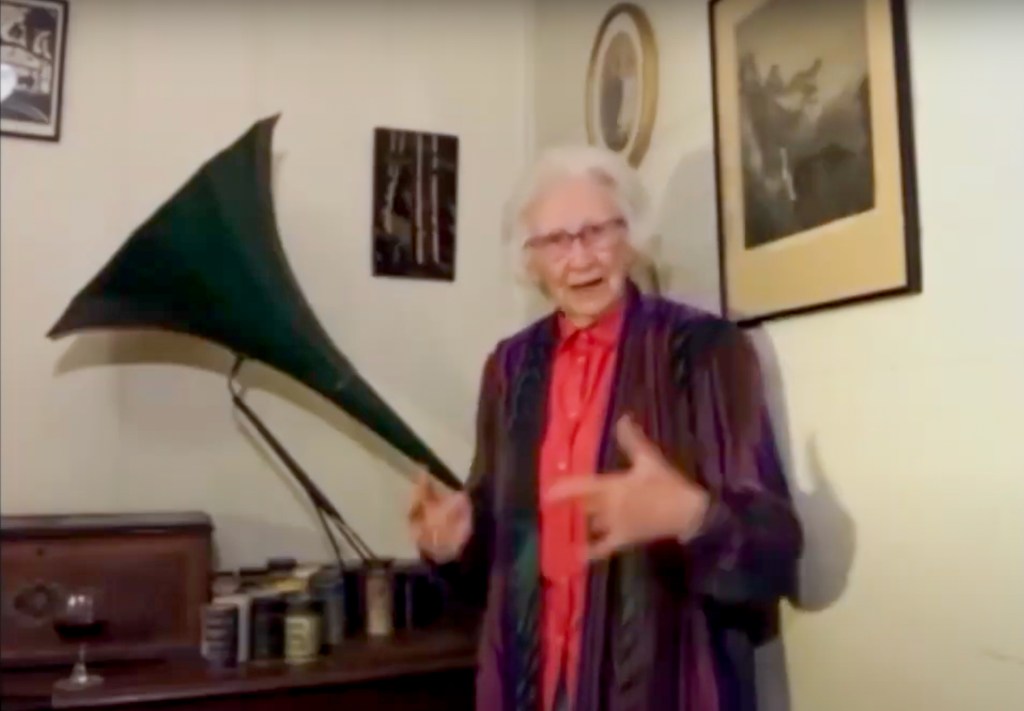
We farewell our beloved science enthusiast, educator, PAWSIH committee member and community supporter Dr Ruth Dircks OAM. Her zest for life, enthusiasm and support for her community will be greatly missed.
After studies at the University of New England, Ruth pursued a distinguished career in teaching secondary science in NSW, including several textbooks and serving as President of the Australian Science Teachers Association. Her outstanding contributions were recognised with an Order of Australian Medal (OAM), inaugural Prime Minister’s Science Prize recipient and University of Newcastle Honorary Doctorate. You may remember the renowned textbook ‘The Web of Life’ (‘Biological science, the web of life : NSW students work book’ / edited by Ruth Dircks and Judith Sphiros).
Ruth was born in Guildford, Surrey, England in 1929. She was educated at City of Worcester Grammar School for Girls, and Leeds University, where she met Australian post-grad student Alexander Dircks. In 1951, she came to Australia as a £10 poem and married Alec. They made the first home in Eastwood, NSW. Her first and lifelong teaching role was to educate her offspring – first her 4 children, then over the years she became dearly loved “Ma” to 10 grandchildren and 19 great grandchildren.
During National Science Week in 2019, Ruth Dircks talked about the importance of learning about science. There are 5 snippets/recordings. Have a listen!
• Snippet #1
• Snippet #2
• Snippet #3
• Snippet #4
• Snippet #5
Thank you John O’Brien for recording and producing these for the Paterson Allyn Williams Science Hub
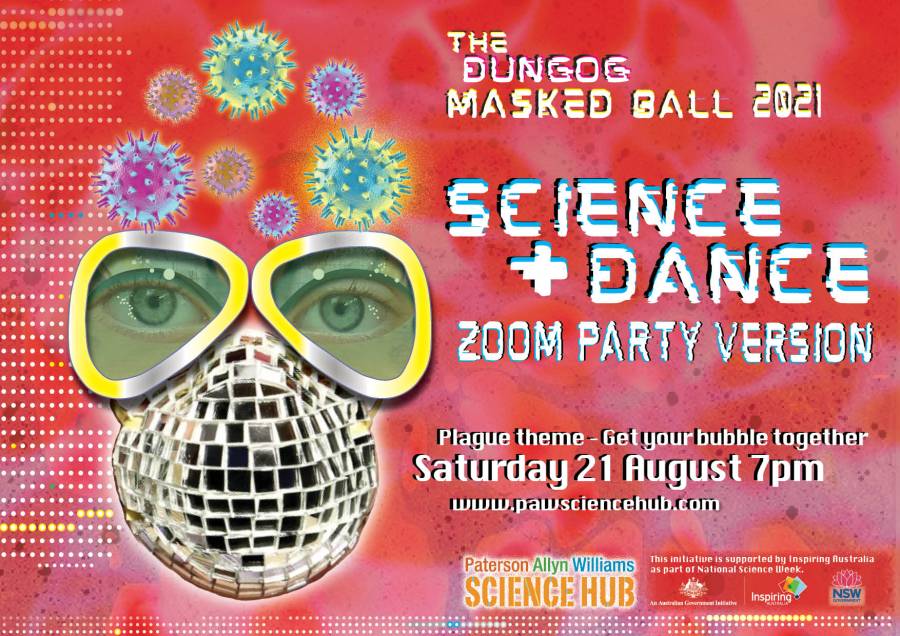
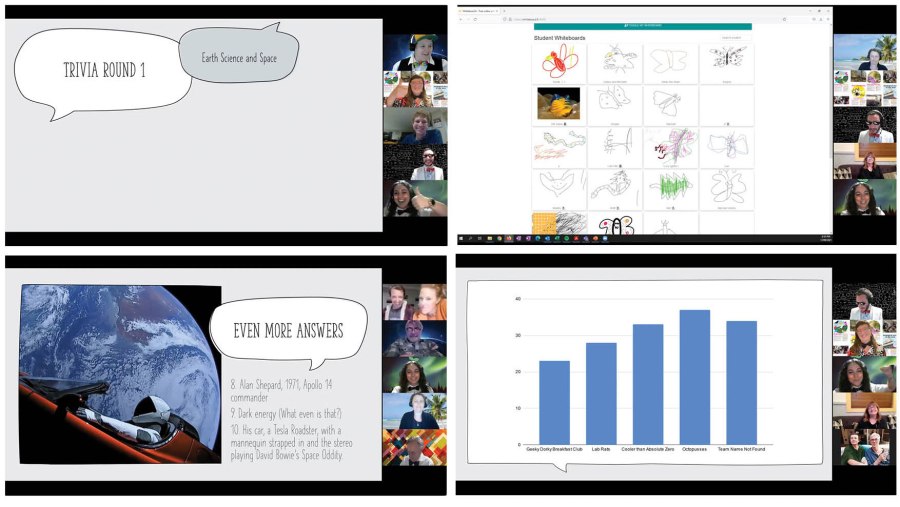
During National Science Week in 2021 PAWSIH had an online zoom dance party during COVID lockdowns. Ruth was always enthusiastic about contributing to our endeavours. During the party she led one of the dance tracks. View that fun recording here.
.. . ..… … . . . . …. . .. .. .. . . . . . .
Caroline Pidcock talk:
“How can we design a better future?“
Fri 14 March, James Theatre, Dungog, 5.30pm
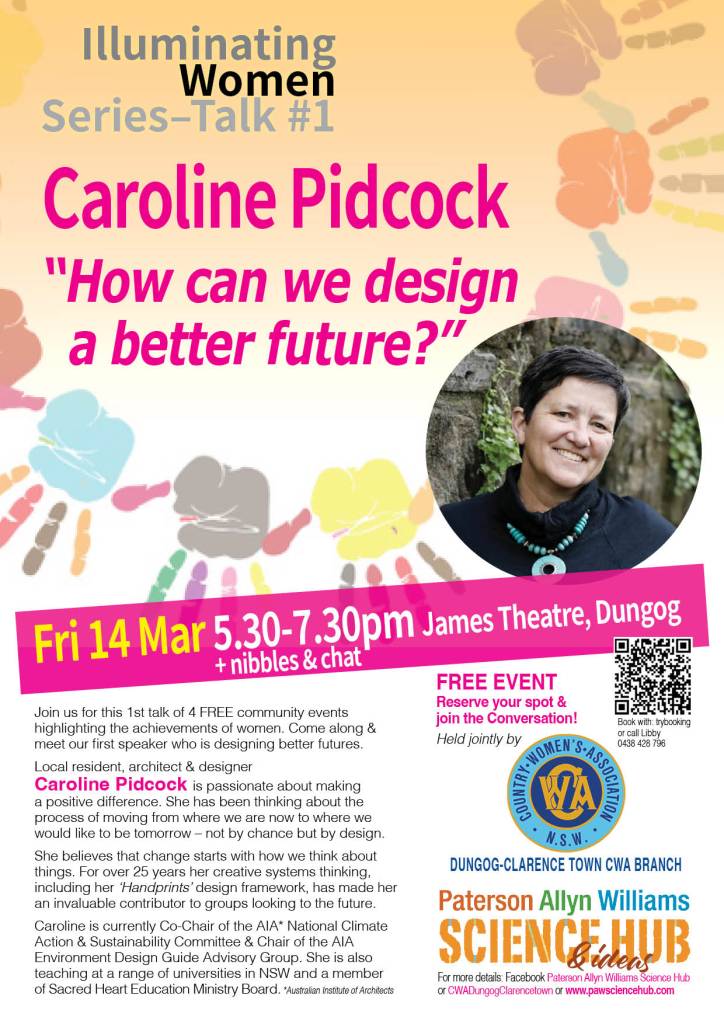
PAWSIH is collaborating with the Dungog Clarence Town CWA to bring you a series of talks throughout 2025.
We are kicking off the ‘Illuminating Women series’ of talks with renowned architect Caroline Pidcock on the topic: “How can we design a better future?” — how we can change our mindsets and encourage conversations that can help us and the teams we work with challenge the possible directions we pursue.
Free & open to all. With lots of opportunity for discussion afterwards.
Local resident, architect & designer Caroline Pidcock is passionate about making a positive difference. She has been thinking about the process of moving from where we are now to where we would like to be tomorrow – not by chance but by design.
She believes that change starts with how we think about things. For over 25 years her creative systems thinking, including her ‘Handprints’ design framework, has made her an invaluable contributor to groups looking to the future.
Caroline is currently Co-Chair of the AIA* National Climate Action & Sustainability Committee & Chair of the AIA Environment Design Guide Advisory Group. She is also teaching at a range of universities in NSW and a member of Sacred Heart Education Ministry Board. *Australian Institute of Architects
Book here:
https://www.trybooking.com/events/landing/1362067
.. . ..… … . . . . …. . .. .. .. . . . . . .
Rainforest conversation series with Dr Bill McDonald
(‘red book’ co-author of renowned ‘Rainforest Trees & Shrubs’ ID book)
Sat 23 & Sun 24 Nov, James Theatre, Dungog & Tabbil Forest rainforest
For most people the word “Rainforest” conjures up an image of very large expanses of huge trees in areas of high rainfall. Around 60 people left the James Theatre, on Saturday afternoon, with a much better understanding of the diversity and importance rainforests and about the ones in the Dungog region. The event was organised by the Paterson Allyn Williams Science and Ideas Hub and Hunter Region Landcare Network as part of a Rainforest Conversations Series.
Peter Wilson from the Maitland area spoke first about the dry rainforests near here. He explained that the landscape has been so drastically changed by European settlement that it is difficult to work out what species were in the original vegetation. Peter used many pictures and maps to show the distribution of rainforests in our area, where there used to be extensive floodplain rainforests, for example in the Morpeth, Maitland, Largs and Bolwarra districts. In those areas there were many lagoons, with a transition in rainforest species moving away from the lagoons and rivers. Most of the lagoons have disappeared.
Rejuvenating the rainforests presents several challenges, apart from finding out what the original forests were like, for which there is little historical evidence, including problems of coping with the effects of increased salinity and global warming. The good news is that planting has started with the aim of joining the Hunter and Paterson River rainforest areas as well as the region between Maitland and Beresfield.
While Peter concentrated on the areas around our lower rivers, our next two speakers were concerned with areas within our Shire.
Jane Richens described the remnant rainforest area at the top end of Tabbil Creek, that she and her partner, Brian, bought about 25 years ago. They have about 680 acres with over 200 acres of dry rainforest, much of which is in steep gullies. They are learning about, and caring for, their flora and fauna and are trying various interventions for weed control, with a particular battle with lantana. Jane is recording many aspects of their environment, particularly with photographs and recording birds sounds.
Penny Kater explained that about 50 years ago around Gresford there were only some small patches of rainforest left, after many had been destroyed by development, fire and agriculture. The Gresford Arboretum was established with community involvement, particularly from the school, and Noel Jupp, and planting started about 8 years ago. Now a group of about 25 volunteers plant, mow and water every Friday afternoon, and Penny’s pictures show that with mulching and weeding, the plantings have flourished in a community hub that also has murals, sculptures and a play area for children.
The next speaker was Rye Gollan who is the Regional Conservation Officer of the Biodiversity Conservation Trust of the NSW Government, and his input made us aware of projects that are aimed to encourage conservation on private land. Grants are available for suitable projects and there has been a rapid increase in participation. There are various programs to encourage conservation management. Typical agreements include things like areas for wildlife conservation, establishment of continuous habitats and biodiversity stewardship. The Trust is also looking to buy properties, to set them up with agreements and then resell as suitable conservation properties. The trust also has a strategy for koala habitat protection.
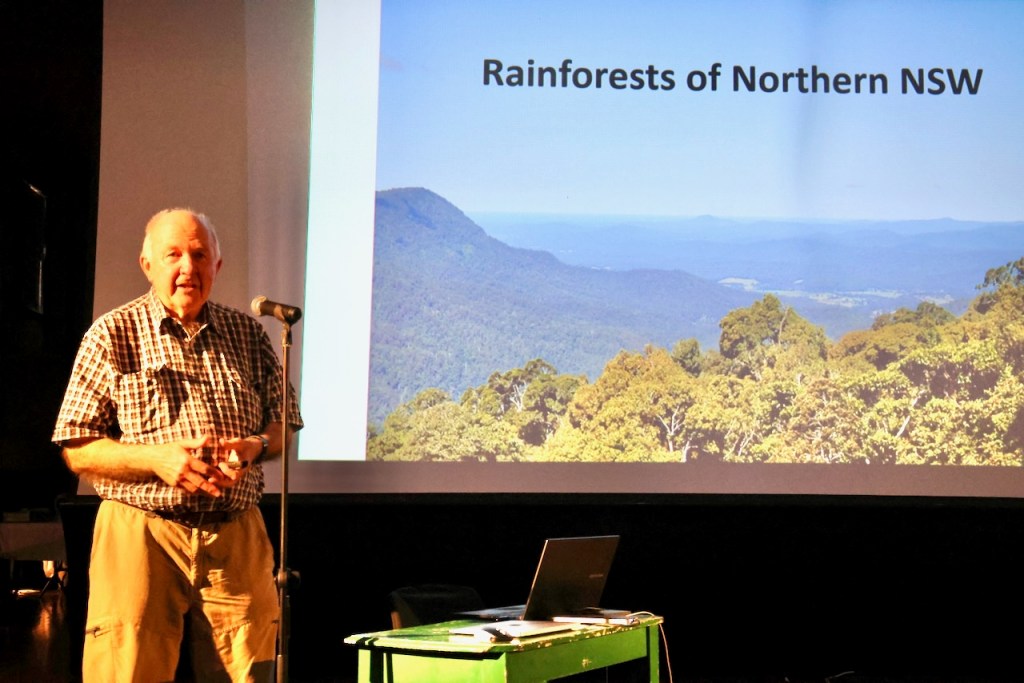
The afternoon finished with Dr Bill McDonald’s beautifully illustrated talk on the rainforests of Northern NSW. (His illustrations included one of a 1250 year-old brush box that has survived many fires.) He illustrated and described a huge range of different types of rainforests, with an explanation of the climatic conditions and varying vegetation in each type, including sub-tropical rainforests in areas of good soil and high rainfall, and the most extensive cloud forests in Eastern Australia that occur in the Border Ranges between NSW and Queensland. On poorer soils there are warm temperate rainforests which have simpler vegetation such as no buttress roots or vines.
Barrington Tops have the largest range of cool temperate rainforests. Other rainforest types include dry rainforests with more open vegetation and few ferns, vine thickets where there is low rainfall but good cloud mists, littoral rainforests that are close to the sea, including windswept headlands. Gallery rainforests are amongst the simplest rainforests with predominantly large fig trees, silky oaks and black beans, swamp rainforests include cabbage tree palms and gorge forests are in low rainfall areas with moisture provided by mists. Mixed rainforests were involved in a logging dispute leading to Neville Wran imposing a ban on logging and they are now World Heritage listed.
Bill’s knowledge of the huge range of species across all the different sorts of rainforest is exemplified in the publication he co-authored “Rainforest Trees and Shrubs”.
After a few questions most people adjourned for refreshments and animated conversations that extended well past the official ending time.
On Sunday, 15 people had a very informative walk through a local rainforest with Dr Bill McDonald. They viewed the forest from several vantage points – directly into the canopy from a high point in the landscape, across multiple gullies and a longer walk in the forest.
As interest in our local rainforests increase, more talks and walks are planned for the future.


talks + walk
A weekend of Rainforest Conversations not to be missed! Join us for an important event exploring the beauty, complexity & importance of the rainforests in our region. This is a unique opportunity to expand your understanding & appreciation for these extraordinary ecosystems.
Sat talks: book here
• Rainforest plant expert Dr Bill McDonald will share his insights into the living heart of the rainforest (co-author of the ‘Red book’ ‘Rainforest Trees and Shrubs’ ID)
• Discover some key plant species and familes in our local rainforests. Discussions on biodiversity, plant ID, and the vital role of rainforests in our environment.
• Short talks about local rainforest restoration activities.
• Local landcarer will share his vision for the future of the Lower Hunter.
• The Biodiversity Conservation Trust will present biodiversity conservation options for private landholders.
• This is your chance to deepen your knowledge, ask questions & learn how we can all contribute to preserving these vital ecosystems. Opportunities to connect with fellow rainforest enthusiasts & conservationists.
Sun walk: (booked out) email pawsciencehub@gmail.com to get on the waiting list or for further rainforest walks
• Join us for a walk to look at a local remnant rainforest.
• Experience the diversity of flora & fauna & the awe of nature in an endangered ecosystem.
Held jointly with Paterson Allyn Williams Science & Ideas Hub, Hunter Regional Landcare Network & the NSW Biodiversity Conservation Trust.
.. . ..… … . . . . …. . .. .. .. . . . . . .
Listening to Indigenous Voices #5 – Truth Telling
Sat 12 Oct, 2-4pm, James Theatre, Dungog

Dr Aunty Rhonda Radley will engage with Ngarrangga ‘deep listening’, the fifth in the Listening to Indigenous Voices Series.
Come and listen to Dr Aunty Rhonda Radley, who will bring us into a state of Ngarrangga ‘deep listening’ in our fifth Listening to Indigenous Voices Presentation.
Aunty Rhonda Radley, Anjilkurri, is a Birrbay/Dhanggati woman, working across the education and community sectors. She shares her knowledge of Aboriginal languages, cultures, history and contemporary realities, through storytelling.
Sharing from the heart she incorporates wisdom gained from her life experiences to support the learning and understanding of the complexity of Aboriginal stories.
Afternoon tea and discussion to be held afterwards.
Dr Aunty Rhonda Radley will present an interactive session to bring attendees into a state of Ngarrangga, engaging all in the spirit of sharing, connection to Country, truth telling and how we become a collective voice able to influence change.
This FREE event is hosted collaboratively by Reconciliation Dungog and PAW Science & Ideas Hub.
FREE event: Book here via Eventbrite for numbers
.. . ..… … . . . . …. . .. .. .. . . . . . .
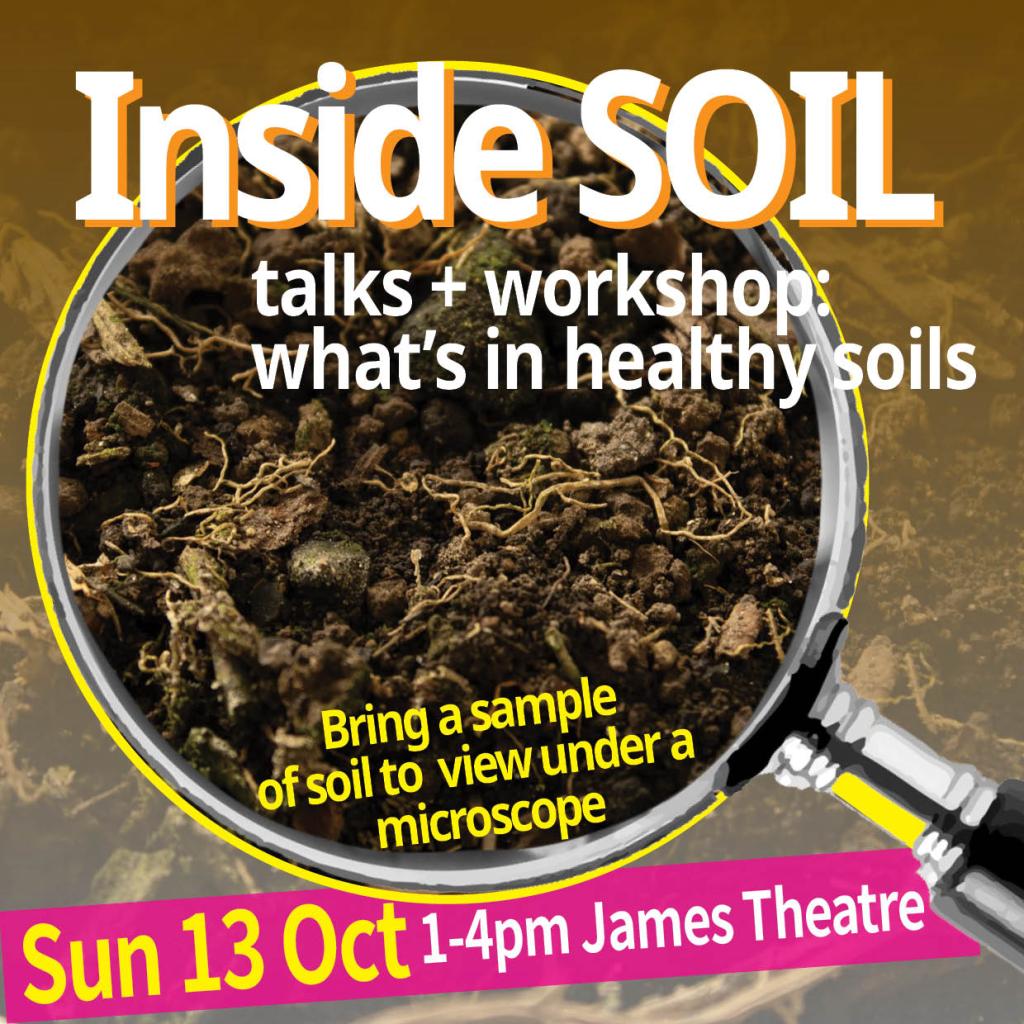
Inside Soil
Sun 13 Oct, 1-4pm, James Theatre, Dungog
talks + workshop: what’s in healthy soil
Bring a sample of your soil to view under a microscope
See inside the magical world of soil with industry experts & food producers. Bring a sample of soil from your farm or garden to put it under the microscope. See microbes, fungi, critters, soil particles & the other bits on the big screen. How healthy is it?
Hear from Soil scientist Ernie Harbott and Compost specialist Virginia Brunton about the complex & fascinating relationships & battles in soils that make our food grow. And find out ways that we can improve productivity in our landscape and grow healthier more nutrient rich food.
Technical info + demonstrations + fun stuff for: growers, gardeners & families. Great way for kids to learn about food systems and the worlds that science opens up.
FREE Event
Held jointly with PAWSIH, Dungog Co-Op & local food producers.
.. . ..… … . . . . …. . .. .. .. . . . . . .
.. . ..… … . . . . …. . .. .. .. . . . . . .
defashion Dungog: an incredible event
Sat 17 Aug, 6pm, James Theatre, Dungog
check out the images: Defashion Dungog webpage • instagram
Celebrating sustainable wearables – PAWSIH’s major event for National Science Week 2024. Fashion parade on the catwalk • live youth band ‘Metanoia’ • after party dancing. Jane Richens was an MC, is chair of PAWSIH and creator of this event and her collaborator and fellow MC was Freya Rubeli.
It was the night of nights for sustainable wearables in Dungog – and we are that town that is making a notable splash in the sustainable space, we have eco-cred and some of us like to dress up. We had 30 artists & makers contributing more than 60 Items for the night – on the catwalk in the fashion parade and in displays around the room. After 8pm local youth band ‘Metanoia’ played 3 of their original songs & 3 covers. And then there was dancing at the after party including a circle with break dancing from youth in the centre.
The night had incredible creative energy and the crowd loved the intergenerational mix – all ages (from 8yo to 90yo) and body types expressing their creativity on the catwalk; the exuberant youth band and energetic dancing of ages at the after party including a break dancing circle.
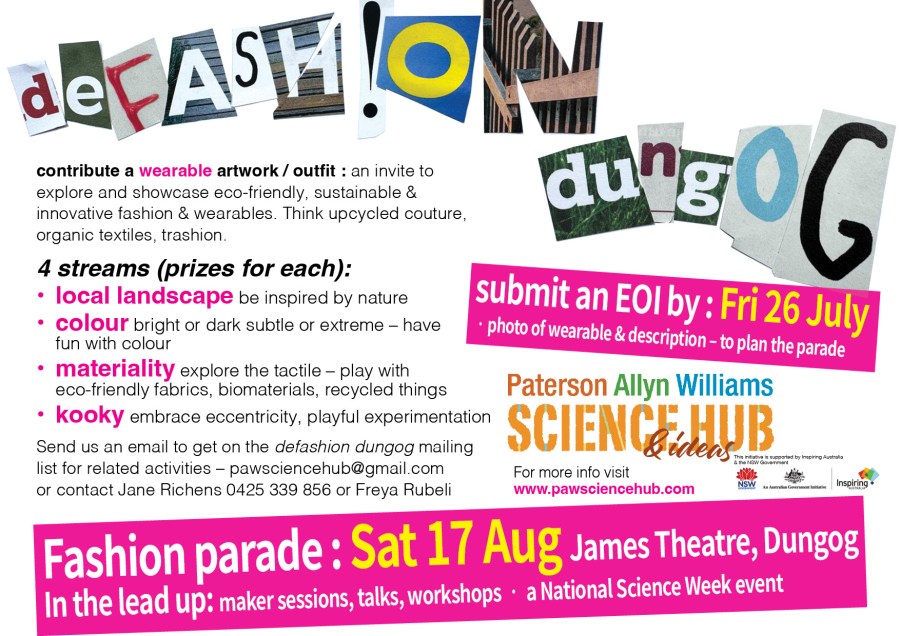
Artists/makers contributed wearable artworks / outfits : they were invited to explore and showcase eco-friendly, sustainable & innovative fashion & wearables. Think upcycled couture, organic textiles, trashion.
The Fashion parade :
4 streams:
• local landscape be inspired by nature
• colour bright or dark, subtle or extreme – have fun with colour
• materiality explore the tactile – play with eco-friendly fabrics, biomaterials, recycled things
• kooky embrace eccentricity, playful experimentation
.. . ..… … . . . . …. . .. .. .. . . . . . .
Sound work – World Environment Day
Wed 5 June, 12-2pm, outside CWA, Dungog


Thanks to all who took some time to tune into sounds of nature at the Dungog Listening Station. It was my listening action for Ecoartspace’s Australian Dialogues event ‘Place-based interventions in three time zones’ – one of 17 events across the country.
11, + Leon the dog, stopped by the Listening Station for an extended period of time – listening to and watching multiple audio and video works created in local forests. It led to many conversations about sound, nature, equipment, consequences of human interactions and how aware we are of human noise pollution. Particularly of interest were the two different passive acoustic recording devices – how they worked and what could be done with the recordings.
Another 20+ were passing by and were curious about the sounds being played through a speaker and the equipment on display. Recognition of bird calls was often a drawcard – particularly the organ melody of Pied Butcher Bird song. An inter-state visitor was intrigued by the differences of forest sound and bird song and played me recordings she had made from her forest walks.
Some participants came via the invitation through the Science & Ideas Hub, others by happenstance.
Dungog is a small rural town that hovers around a central main street with the CWA (Country Women’s Association) building in a central location so attracts passers by. The Listening Station was set up on the footpath outside the CWA with a laptop, headphones, speaker and a display of a range of sound equipment used in field recording and acoustic monitoring.
Thanks to all who joined us! & thank you Brian Doherty for the support and event documentation.
@ecoartspace #easAUSDialogue #WorldEnvironmentDay2024

.. . ..… … . . . . …. . .. .. .. . . . . . .
3x Reconciliation Week events
Tues,Sat,Sun, James Theatre, Dungog
• Tues 28 May, 6-7pm the regular EXPERIMENTAL MOVEMENT will feature a Blak Out playlist of indigenous artists
• Sat 1 June, 5pm, film THE NEW BOY
• Sun 2 June, 3.30pm, free LISTENING TO INDIGENOUS VOICES event will present a recording of a live event held at UTS Sydney looking at how non-indigenous people can stand and act with First Nations people. Then stay for some soup and a chat!
+ + +
Tues 28 May, 6-7pm • EXPERIMENTAL MOVEMENT – Reconciliation –
free form dance ‧ intergenerational ‧ mental wellness
Shake out that dance party in your head. This week we will be celebrating RECONCILIATION WEEK with a BLAK OUT playlist of indigenous artists and we will have a cash tin for donations to the INDIGENOUS LITERACY FOUNDATION.
+
Sat 1 June, 5pm • Film – THE NEW BOY (M)
This powerful and poetic film, written and directed by Warwick Thornton, is a stunning cinematic achievement exploring colonialism, religion, identity, and resilience. Set in 1940s, a nine-year-old Aboriginal orphan boy (Aswan Reid) is taken to a remote monastery run by a renegade nun (Cate Blanchett). The boy seems to have supernatural abilities which draw Sister Eileen to form a special bond. The score by Nick Cave and Warren Ellis is haunting and evocative, enhancing the mood and tension. The New Boy is slow-paced, subtle, and ambiguous. It may challenge the viewer to question and empathise as the film exposes brutality and injustice through an intense and spiritual relationship.
This film is brought to you by Dungog Reconciliation and supported by Friends of the James Theatre Inc. Tickets available at the door: adult $15
+
Sun 2 June, 3.30pm • special FREE event – LISTENING TO INDIGENOUS VOICES SPECIAL Recording of the live event held on the 27 May in the Great Hall at UTS Sydney as part of Reconciliation Week 2024.
How Non-Indigenous people can stand and act with First Nations people.
Explore the differences between a tokenist, ally and accomplice with Dr Summer May Finlay, followed by a panel session with Prof. Lindon Coombes, Prof. Chris Cunneen, Dr Elaine Laforteza and Prof. Robynne Quiggin who will discuss how to meaningfully engage and be actively involved with First Nations issues. This event was jointly hosted by the UTS Centre for Social Justice & Inclusion and Jumbunna Institute for Indigenous Education and Research.
FOLLOWING THE LECTURE YOU ARE WELCOME TO JOIN US FOR SOUP & CHATS: $5
Listening to Indigenous Voices Series is a collaboration between Reconciliation Dungog and Paterson Allyn Williams Science & Ideas Hub

.. . ..… … . . . . …. . .. .. .. . . . . . .
Reveil report: Listening to our environment series
Dungog to the world, live
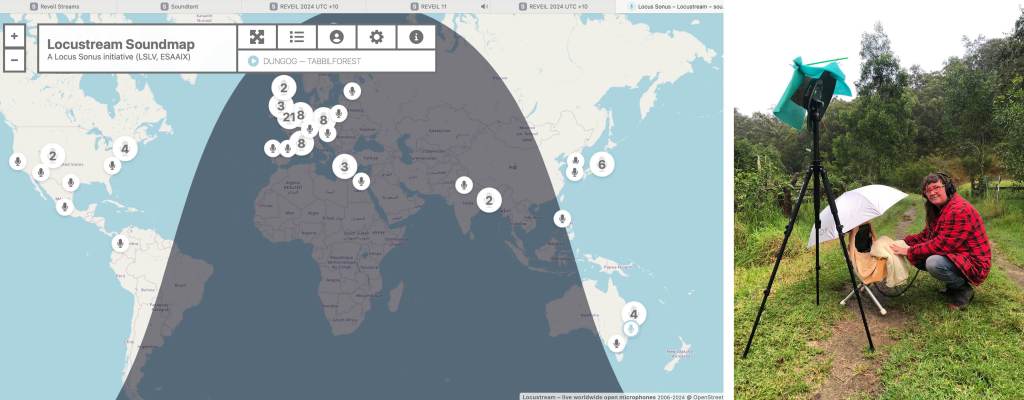
Last month Dungog’s Dawn Chorus was sent live to the world. Jane Richens broadcast a live audio as part of World Dawn Chorus Day. It was our local contribution to a UK-based international collaborative sound and radio project called ‘Reveil’ that circles the Earth on live audio streams at daybreak over a 24+1 hour period. During that time you could select locations on a world map when dawn was breaking in that location or listen to a radio station continuous broadcast with commentary about where and what you were listening to.
There were several locations in Australia. At Tabbil Creek we heard birdsong and frog calls with drips of rain. On Qld’s Sunshine Coast there were water sounds in the mangroves. In Victoria’s Dandenong Ranges incredible lyrebirds were heard echoing through the tall eucalypt forest.
It was fascinating listening to the diversity of the audio around the world. Overall birdsong was the connecting sound that marks the start of the new day and transcends borders. Not all the locations were forests or woodlands there were also a range of city soundscapes. One of the sites in the USA had the droning hum of generators in a big stadium. In the Philippines there was a site with lots of sounds of roosters above rural activity. In Delhi a cacophony of traffic. Each location certainly had a sound signature. Scientists can use sound recordings to understand biodiversity and other environmental changes over time.
Back at Tabbil Forest, a green foam mat, straw hat and towels became essential equipment to shield the rain from the recording gear and reduce the sound of rain on the equipment. Leech wrangling was also essential to the skillset!
Join artist & chair of PAWSIH, Jane Richens for another listening event on Wed 5 June outside the CWA in Dungog 12noon-2pm. Part of ECOARTSPACE‘s Australian Dialogues: Place-based interventions in three time zones for United Nations, World Environment Day, 5 June, 2024. A listening station will be setup where you you can listen to sounds from our region and from other locations around Australia. You will also be able to view and listen to some of Jane’s short videos and field recordings created locally.
• To celebrate World Dawn Chorus Day here is a preview of one of Jane Richens’ short sound & video works:
Forest Conversations: Sunrise Pink (2.35)

.. . ..… … . . . . …. . .. .. .. . . . . . .

Experimental Movement – has started again!
Tuesdays during school terms, 6-7, James Theatre, Dungog
Shake out that dance party in your head.
Think No Lights No Lycra but with a twist – shafts of torchlight along the floor. Bring your bedroom dancing Queen down to the James Theatre for an hour on Tuesday evenings. Mixing it up each time. This is part of a series of experimental movement actions.
free form dance • intergenerational • mental wellness
If you are interested to be put on the mailing list for Experimental Movement – pawsciencehub@gmail.com
.. . ..… … . . . . …. . .. .. .. . . . . . .
Fungi Foray 2024 – talk + walk report
A fun(gi) weekend
– a report by Ruth Dircks


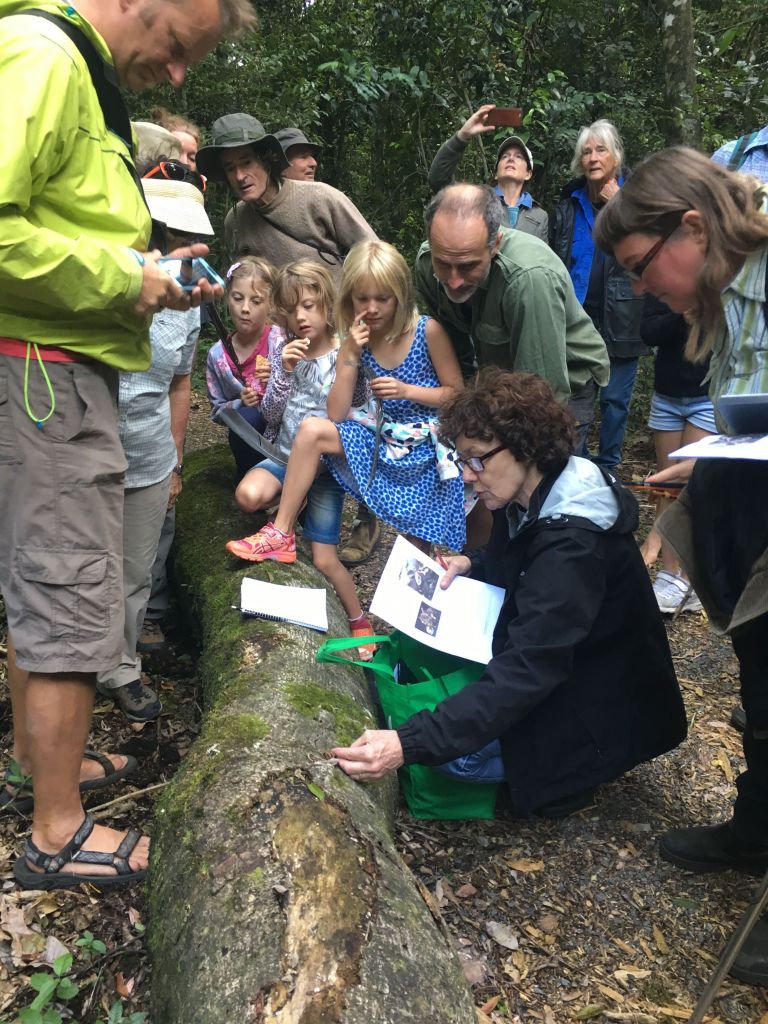
Recently we had a weekend fungi treat – starting with a fungi talk on Saturday afternoon by mycologist Pam O’Sullivan and then a Sunday morning walk to survey fungi also led by Pam.
An update on the walk first. It was the fourth in the series to annually survey fungi at the Peach Tree Park on the Upper Allyn River. This year over 70 species were identified with the help of more than 30 pairs of eyes. Interestingly there has been nearly 200 species found at this site over the four surveys. Some species are found every year but others are new each time.
In the talk in Dungog on the day before Pam outlined the importance of fungi in a range of ecosystems. She reminded us that fungi do not have chlorophyll so they are not plants and, being unable to create organic substances, they are dependent of other organisms for food. Pam’s explanations and illustrations left people well informed and enthusiastic for the Foray on the next day.
Fungi obtain their food in a variety of ways. Saprophytic fungi feed on dead animals, plants and dung and so play an important role in recycling organic material. Mycorrhizal fungi live in a symbiotic relationship with trees.Their thread-like structures spread huge distances through the soil and form close associations with tree roots. They improve the growth of trees by delivering inorganic nutrients from the soil and in exchange receive organic substances from the tree. They spread so extensively that they contribute to the soil biomass and by binding soil particles and plant litter together they help to reduce erosion. Lichens are also the result of a symbiotic relationship, in this case between fungi and algae. Parasitic fungi live on other living things such as those that live on the larval stages of some insects. In summary, as well decomposing and recycling, fungi deliver nutrients to trees, improve soil structure and help to prevent erosion, provide food for animals and those that live on insect larvae can help with biological control.
Pam then presented a huge variety of beautiful illustrations of fungi that can be found in the area around the Upper Allyn River. Many are growing on old wood but others grow on organic substances in the soil. Fungus shapes are very varied including the coral shaped fungi and the almost spherical puff balls, and the reproductive spores are produced in many different ways. For example some are on club shaped projections, some on gills and some in cup shaped depressions. Spores vary in colour and some are dusty and some, as in Stinkhorn fungi, are covered in sticky slime.
Pam emphasised the need to be aware of the ease with which fungal spores are spread – being easily attached to shoes and clothing. For example the Orange-peel fungus is an introduced and invasive fungus in the Upper Allyn River area and can only be controlled by cleaning shoes and spraying them with disinfectant or chlorine.
The weekend event was organised by the Paterson Allyn Williams Science and Ideas Hub in conjunction with the Hunter Branch of the National Parks Association of NSW (Hunter Region).

Talk: Sat 6 April 3pm, Doug Walters Pavilion, Dungog + Walk: Sun 7 April 9am, Upper Allyn River
Join our annual Fungi Foray talk & walk this April held jointly with the Paterson Allyn Williams Science and Ideas Hub and National Parks Association of NSW (Hunter Region).
The talk will be on Sat 6 April at 3pm at the Doug Walters Pavilion in Dungog and the walk will be at the Upper Allyn River from 9am to about 3pm on Sun 7 April. This is a short, easy grade walk led by fungi experts. The leaders will be glad to answer all your fungi questions and you will be able to help survey the fungi in the area.
Fungi scientist Pam O’Sullivan will give the Saturday talk in Dungog at 3pm. She will talk about the important role of fungi in the ecosystem recycling organic matter and forming nutrient partnerships with plants. She will also discuss the species that have been found on previous surveys.
In terms of diversity and number of species, fungi leave plants in the shade. The Upper Allyn has been described as a ‘fungi hotspot’ of great significance. It lies within Chichester State Forest about 1 hour northwest of Dungog (2 hours from Newcastle), an area the National Parks Association of NSW hope to see added to Barrington Tops National Park.
The Sunday walk is suitable for anyone curious about fungi. Accompanied children are welcome. You’ll need suitable outdoor clothing and footwear, and be prepared for leeches. It is important to register for the Sunday walk: please email Martin Fallding info@calli.com.au or tel 02 6571 1208.

.. . ..… . ... . . . .
Meet our local amazing bats

Sat 25 November, 4 to 6pm
James Theatre, Dungog
Flying-foxes & microbats are known for their important work in pest control, pollinating plants and dispersing seeds for the regeneration of our forests but their presence close to communities is also a hotly contested topic.
Nine flying-fox camps have been monitored in Dungog Shire since 2012 as part of the Commonwealth Government’s National Flying-fox Monitoring Program. While many of the flying-fox camps are located in less populated areas a number are closer to the population centres of Dungog, Clarence Town and Gresford.
Paterson Allyn Williams Science & Ideas Hub is bringing some leading flying-fox and microbat researchers to Dungog to discuss the scientific framework of management questions and to find out more about these important endangered species that are battling habitat loss, food insecurity and increased heat stress.
Guests will include Dr Peggy Eby, a leading flying-fox conservation biologist, researcher and author based in Sydney. Amy Rowles, a microbat researcher and ecological consultant who has been researching our local microbats. Nat Blatchford, acting bat coordinator of our local regional WINC (Wildlife in Need of Care) organisation. And Bill Dowling, ecologist and consultant who will tell us about local flying-fox camps.
This initiative is supported by Inspiring Australia and the NSW Government
.. . ..… . ... . . . .
More information about some of our speakers:
Dr Peggy Eby is a leading conservation biologist based in Sydney, whose ground-breaking research has revealed the importance of Australia’s little-known, great wildlife migrations – our unique nectar-eating flying foxes and birds who fly huge distances tracking nectar-rich bushland trees as they flower.
Dr Eby has researched the movements and behaviour of Grey-headed Flying Foxes for more than 25 years, tracking their dynamic movement patterns across the country in response to habitat availability and climatic conditions.
Her current scientific interests include conservation of large-scale habitat connectivity for nomadic pollinators; the influences of behavioural responses to environmental change on human-bat conflict in urban areas; understanding the ecological drivers of disease emergence in Australian flying foxes; and using strategic habitat restoration to reduce disease risk and human-bat conflict.
Dr Eby holds an adjunct position at UNSW, runs a private consultancy business and holds formal and informal advisory positions with various government agencies.
Dr Eby also works with the US Center for Large Landscape Conservation on the Habitat for Health program, a National Science Foundation-funded initiative to restore key habitat for bats on private and public land.
Dr Eby has also undertaken significant work communicating the outcomes of her research to the scientific community, wildlife managers, land managers and stakeholder groups. She is author, or co-author, of more than 35 research publications on aspects of Flying Fox biology and ecology. She is co-editor of Managing the Grey-headed Flying-fox as a threatened species in NSW published by the Royal Zoological Society of New South Wales.
She has also explained the ecology of flying foxes to general audiences across Australia, appearing on the ABC’s science program Catalyst and in numerous radio, on-line and newspaper news items, as well as writing for The Conversation.
Dr Eby undertook her zoology degree in Colorado US, and her PhD at the University of New England. She is a Fellow of the Royal Zoological Society NSW, a recipient of a Bat Conservation International Award as well as a T.J. Watson Fellowship for International Study.
.. . ..… . ... . . . .
Amy Rowles was fortunate to participate in many mammal surveys as a child and teenager with a particular interest in bats, which has led her to a career as a microbat specialist, mainly as an ecological consultant. After completing a B.Sc. at Macquarie University, she studied habitat use, diet and roosting ecology of insectivorous bats in the Simpson Desert for her Honours in 2001. Amy and her husband spent 8 years managing a small wildlife sanctuary in Dural before moving to Hilldale 14 years ago to bring up their four kids in the bush. In recent years she has returned to study, currently working on a PhD project ‘Seasonal migration of Australian tree-roosting microbats’, with some of her field work conducted locally in the Barrington Tops and Chichester State Forest area.
Amy has always been connected to the Dungog Shire spending time at their families bush block in the forest at Main Creek. Amy and her brother Narawan Williams are conducting a voluntary study of the bats using Pilchers reserve and look forward to sharing these results with the local community in the future.
.. . ..… … . . . . …. . .. .. .. . . . . . .
Local producers talk + film – Rachel’s Farm

Sat 23 September, 5pm talk (Free Pre-Film Discussion) + 7pm film (pay at door)
James Theatre, Dungog
PLEASE JOIN US AT 5PM
FOR THE PRE-FILM DISCUSSION
There will be a one hour discussion around the topic of Regenerative Agriculture specific to local food systems and production.
We have three local expert guests confirmed for our discussion on 23rd September.
Sarah Sivyer (Just Been Laid)
Brett Cooper (Limestone Permaculture)
Ben Sharp (Ethical Farmers)
The discussion will be followed by the film at 7pm
Film: Documentary ‧ 1h 27m
RACHEL’S FARM (PG)
Tickets will be available at the door
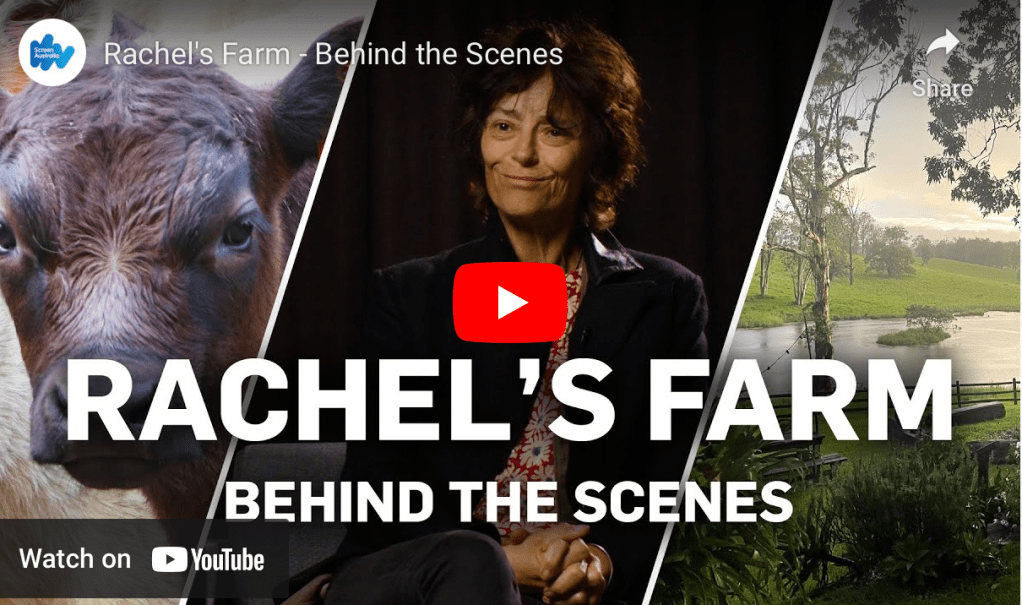
Directed by Rachel Ward, the film documents her despair after the disastrous Black Summer bushfires, which then provided the determination to take up action to convert her land and indeed herself to the ways of regenerative farming. While keeping a solid amount of self-awareness about both the size of the task at hand and her need to learn how to do even the basics, there’s a lot of ground covered as far as showing the cycles within cycles that make up the local ecosystem. A personal journey of transformation to meet the most important challenges of our time.
This event is brought to you by Friends of the James Theatre Inc. with Dungog Wholefood Co-Op and Paterson Allyn Williams Science and Ideas Hub.
.. . ..… … . . . . …. . .. .. .. . . . . . .

Listening to Indigenous Voices #3: Understanding the Referendum
Sat 22 July, 11 to 2pm
James Theatre, Dungog
FREE event. Book in – http://www.L2IVS3.eventbrite.com.au
Come and listen to Sean Gordon AM taking us through Understanding the Constitutional Referendum, the third in the Listening to Indigenous Voices Series.
Sean is a strong Wangkumarra/Barkindji man and member of the First Nations Referendum Working group. He has long been involved in the development of “The Voice” and is driven through strong leadership to create real opportunities, independence and benefits for individuals, organisations and communities. Sean is committed to Indigenous economic development in the Hunter region and is involved in a vast range of projects through his organisation gidgeegroup.com.au
Sean will help us understand the referendum process to establish a Voice and as an advocate for the self-determination of Indigenous communities, through social, cultural and economic empowerment.
This Free James Theatre event is hosted collaboratively by PAW Science & Ideas Hub and Reconciliation Dungog. YES23.COM.AU
.. . ..… … . . . . …. . .. .. .. . . . . . .
What’s happening with our local Giants?
Local Forest Futures Forum
Sat 3 June, 4.45-6pm
James Theatre, Dungog
The Forum is a FREE Event
(before the screening of the film ‘The Giants’ @ 7pm, $15 adult, $10 child, $40 family = 2 adults + 2 children)
Join us for a conversation on the future of forests in the local area : short presentations + Q&A – chaired by Martin Fallding
• Barrington – Hawkesbury Climate Corridors
Jo Lynch, Co-ordinator of the Hunter Community Environment Centre
• History & future of Barrington Tops National Park
Ian Donovan, President National Parks Association of NSW (Hunter Branch)
• Forests & tourism in the Hunter Region
Cameron Archer, Chair Dungog Tourism Board

.. . ..… … . . . . …. . .. .. .. . . . . . .
PAWSIH team members celebrate achievements with other NSW Science Hubs
In April, PAWSIH chair Jane Richens and former Inspiring Australia team leader Jackie Randles joined around 250 community members and visitors who came together at the Lismore Quad on a warm rainy evening to celebrate the launch of Our Place Our Species, a new documentary film that celebrates Bundjalung, Widjabul Wia-bal caretakers as they work on Country to preserve the First Nations cultural knowledge that comes from being part of the land.
In the documentary that was shared publicly with an excited audience for the very first time under the night sky in the Quad, we joined film-maker Mitch King as he travels on Country to meet caretakers with deep knowledge of Bundjalung culture and ecology as they discuss the Northern Rivers region’s unique native plants, river systems and bush tucker.
See an article about the event and vimeo trailer of the documentary: https://inspiringnsw.org.au/2023/05/02/celebrating-the-native-plants-and-indigenous-culture-of-bundjalung-country/

Documentary Filmmaker Karenza Ebejer, Inspiring Australia Jackie Randles, producer Mykaela Baillie, filmmaker & presenter Mitch King, PAWSIH Jane Richens
.. . ..… … . . . . …. . .. .. .. . . . . . .
Special free event: LiveStreaming conversation – In conversation with Teela Reid

Tues 4 April 2023, 6.45-8pm
James Theatre, FREE event
Later this year Australians will be asked to vote in a referendum on a Voice to Parliament.
What is the Voice to Parliament? Can the national conversation for constitutional recognition reconcile the truth of our nations’ past? Or have we embarked on a new era of reckoning with the risk that comes with a referendum? How do we embrace the discomfort of this moment and what does it mean – for us collectively and individually? What do we need to know to make an informed decision?
Proud Wiradjuri and Wailwan woman and lawyer, Teela Reid will join Dr Simon Longstaff AO in conversation to unpack the Voice to Parliament. Be part of this informal but urgent conversation through this live screen event from The Ethics Centre.
The Ethics Centre’s ‘In Conversation with…’ series is an intimate opportunity to delve into contemporary issues we are grappling with – and perhaps see things from a different perspective.
Teela Reid
Teela Reid is a proud Wiradjuri and Wailwan woman, lawyer, essayist, storyteller and co-founder of @blackfulla_bookclub, a platform that honours First Nation’s Ancestors as the original Storytellers. Currently, Teela is a Sydney-based Senior Solicitor practicing in Aboriginal Land Rights litigation and is the current Practitioner in residence at Sydney Law School. She was awarded the 2020 UNSW Young Achiever award for her contributions to the community and her advocacy as a working group leader on s51(xxvi), the Race Power, in the Constitutional dialogue process that culminated in the Uluru Statement from the Heart.
This year, Teela is the contributing editor for the Griffith Review ‘Acts of Reckoning’ Edition 2022. Teela has also written opinions published in the Sydney Morning Herald, Washington Post, The Guardian, Marie Claire and The National Indigenous Times. She was awarded 2022 Indigenous Leader at the Australian Law Awards.
Dr Simon Longstaff AO
Dr Simon Longstaff began his working life on Groote Eylandt in the Northern Territory of Australia. He is proud of his kinship ties to the Anindilyakwa people. After a period studying law in Sydney and teaching in Tasmania, he pursued postgraduate studies as a Member of Magdalene College, Cambridge. In 1991, Simon commenced his work as the first Executive Director of The Ethics Centre. In 2013, he was made an officer of the Order of Australia (AO) for “distinguished service to the community through the promotion of ethical standards in governance and business, to improving corporate responsibility, and to philosophy.” Simon is an Adjunct Professor of the Australian Graduate School of Management at UNSW, a Fellow of CPA Australia, the Royal Society of NSW and the Australian Risk Policy Institute.
This Ethics Centre Live Screen event is presented in Dungog by Paterson Allyn Williams Science & Ideas Hub in collaboration with Reconciliation Dungog. This is a FREE event.
.. . ..… … . . . . …. . .. .. .. . . . . . .
Fungi Foray
Sat 2 April 2023, 9am – 3pm
Join our annual Fungi Foray at the Upper Allyn River on Sun 2 April 2023 from 9am to 3pm, in association with the National Parks Association (Hunter Branch). This is a short, easy grade walk and community survey led by experienced fungi finders, who will be glad to answer all your questions.
The Upper Allyn has been described by experts as a ‘fungi hotspot’ of great significance. It’s located within Chichester State Forest about 1 hour northwest of Dungog (2 hours from Newcastle), an area we hope to see added to Barrington Tops National Park.
The day is suitable for anyone curious about fungi. Accompanied children are welcome. You’ll need suitable outdoor clothing and footwear, and be prepared for leeches. Please register by ASAP, email Martin Fallding or tel 02 6571 1208.
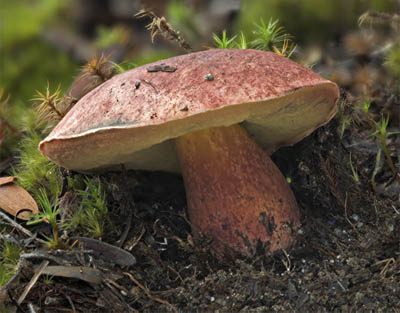
Fungi pic above: Boletus sp. Thanks to National Parks Association (Hunter Branch)
.. . ..… … . . . . …. . .. .. .. . . . . . .

Strong Proud Women
Sun 3 March 2023, 10am-12noon
Listening to Indigenous Voices series #2
with Belinda Huntriss
James Theatre, FREE event
Strong Proud Women is the second of the Listening to Indigenous Voices Series.
An integral part of Indigenous cultural practice is education. The passing on of knowledge through ceremony and oral traditions has maintained the complexities of knowledge systems for 65,000+ years. These traditions have evolved and adapted as a result of colonisation.
Come and listen to the perspectives of Belinda Huntriss, a strong, proud, Worimi Woman. As a teacher and small business owner, passionate about Aboriginal education and reconciliation, Belinda will take us on a deep dive into contemporary Aboriginal education practices.
Eventbrite: https://L2IV2.eventbrite.com.au
This FREE event is hosted collaboratively by PAW Science & Ideas Hub & Reconciliation Dungog.
More about Belinda:
Belinda Huntriss is from Worimi country and was born and raised in Gloucester on the mid north coast of NSW.
Belinda is a teacher and small business owner who is passionate about Aboriginal education and reconciliation. She completed a Bachelor of Education (Early Childhood Studies) from the University of Newcastle and is currently working towards a Masters in Indigenous Education at Macquarie University.
Belinda has been working in Aboriginal education for over fifteen years in early childhood, primary, high school and university sectors.
For the past six years Belinda has been working as a specialised Aboriginal Education Teacher in the Newcastle region and as a consultant working with early childhood services. Her most important position remains her role as a mum to two young boys, Wilaaran and Yaarru.
.. . ..… … . . . . …. . .. .. .. . . . . . .
Also coming up…
Fungi Foray Walk & Talk
Fungi Foray Walk – April 2023
The annual survey of Fungi at the Upper Allyn River is coming up in April. This event is in association with the Hunter Branch of the National Parks Association.
We will let you know soon about the 2023 foray details.
If you have the opportunity to get into a forest check out the amazing fungi life. Here is a link to some online resources: www.fungimap.org.au
Fungi are at their best in Autumn. Recent rains and warm weather promise to make this an ideal time to see and learn about them.
This event be the fourth Fungi Foray in the area. These follow-up surveys are important to document variations in the ecosystem. See you in the fungi forest.
.. . ..… … . . . . …. . .. .. .. . . . . . .
Experimental Movement – 004
Wed 14 Dec, 6-7, James Theatre, Dungog
Shake out that dance party in your head.
Think No Lights No Lycra but with a twist – shafts of torchlight along the floor. Bring your bedroom dancing Queen down to the James Theatre for an hour on Wednesday evening. Mixing it up each time. This is part of a series of experimental movement actions.
free form dance • intergenerational • mental wellness
Limited numbers. Booking essential via this link – Experimental Movement.
$5 per family – let us know how many are coming when you book on Eventbrite for numbers
If this event is booked out let us know if you are interested to be put on the mailing list for Experimental Movement – pawsciencehub@gmail.com
.. . ..… … . . . . …. . .. .. .. . . . . . .
With the evolving evidence of extreme weather events, now is the time to take stock and learn from the contemporary practices of a knowledge system 65,000 years in the making and uniquely adapted to the environments of this country.
Sun 20 Nov, 2-4pm
Land & Farming
Listening to Indigenous Voices series
James Theatre, FREE event
Land & Farming is the first of the Listening to Indigenous Voices Series.
Come and listen to the perspectives of Joshua Gilbert. An impressive young Aboriginal Land Manager sharing his approach to combining two knowledge systems in contemporary farming practices.
This Free event is hosted collaboratively by PAW Science & Ideas Hub & Reconciliation Dungog.
Book via Eventbrite (FREE): Listening to Indigenous Voices: Land & Farming
About the speaker:
Joshua Gilbert is a Worimi man, whose family ancestors are recorded as having the first recorded birth in a cave in the Gloucester mountains. His connection to the Worimi nation stems through both his parents, tracing back to the Bugg family.
Josh shares the narration of Indigenous identity through agricultural truths in light of modern contexts. He is undertaking higher degree research at Charles Sturt University, is the Indigenous Co-Chair of Reconciliation NSW and was recently recognised within the world’s top 50 young gastronomers.
Josh’s work seeks to connect traditional Aboriginal knowledge and history to current contexts, translating past wisdoms and learning to the opportunities of the future. His work brings together the old and the new, weaving them together to develop new insights and findings.
He is an entrepreneur and business advisor, working predominantly in the Aboriginal cultural, agricultural and environmental spheres. He has worked with numerous not for profits, businesses and governments to develop change and bring people on a journey of change.
Josh is a seasoned speaker having presented in front of many audiences including TEDx and now the James Theatre as part of the “Listening to Indigenous Voices Series.”
.. . ..… … . . . . …. . .. .. .. . . . . . .

& if you are up for some more dancing
Sat 5 November, 7pm for film ‘Moonage Daydream’, around 9pm, dancing, James Theatre Dungog
After the Bowie film ‘Moonage Daydream’ we are going to pull-up the screen and dance. Come for the just the film or just the dancing or both.
.. . ..… … . . . . …. . .. .. .. . . . . . .
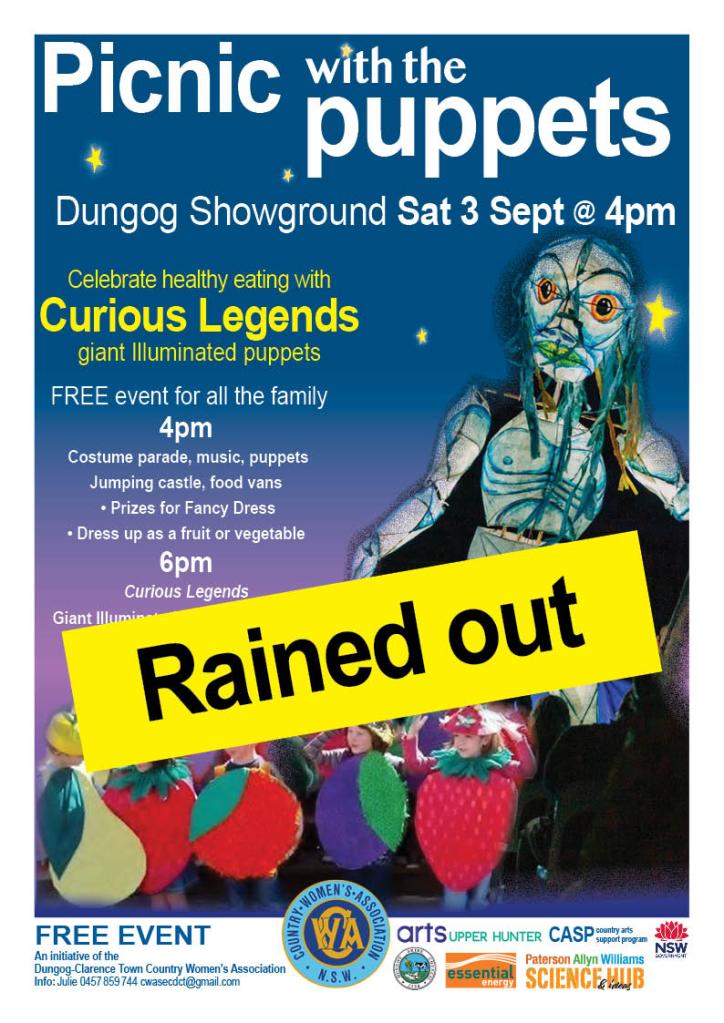
Picnic with the Puppets
Sat 3 Sept, 4pm, Dungog Showground, FREE event
.. . ..… … . . . . …. . .. .. .. . . . . . .
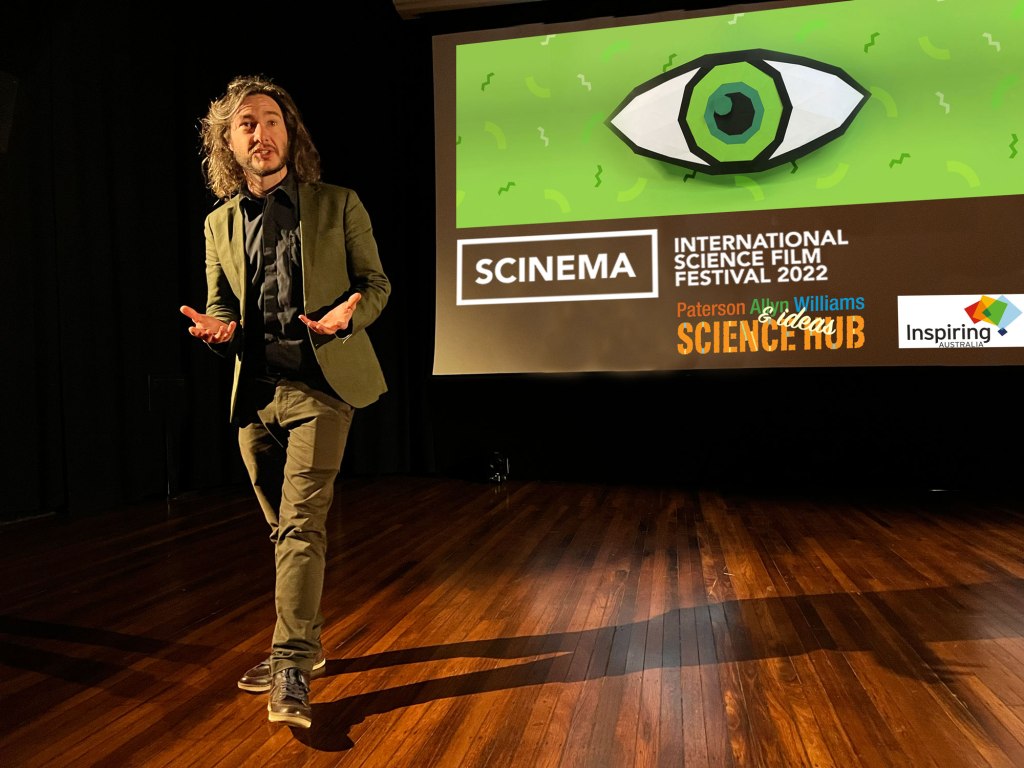
The Best of Scinema
Another thought provoking selection of films from around the world via Scinema: the International Science Film Festival last Saturday night at the James Theatre Dungog. Thank you to PAWSIH member Michael Kelly for going above and beyond to get this screening together. Thanks also to the The Royal institution of australia for their work in connecting people with the world of science and Inspiring Australia for your support of our science & ideas activities.
.. . ..… … . . . . …. . .. .. .. . . . . . .
The Best of Scinema – International Science Film Festival 2022
Sat 27 August, 7pm, James Theatre Dungog, FREE event

Paterson Allyn Williams Science & Ideas Hub is proud to once again be presenting THE BEST OF SCINEMA – featuring International Award Winning films from SCINEMA International Science Film Festival 2022. SCINEMA is the largest science film festival in the southern hemisphere, showcasing the best science feature, short, documentary, animated and experimental films from filmmakers around the world.
SCINEMA is a celebration of the power of the moving image to inspire the young, satisfy the curious, explain the baffling and ask the impossible.
Thanks to: The Royal Institution of Australia
FREE – Bookings via Eventbrite here.
.. . ..… … . . . . …. . .. .. .. . . . . . .
.. . ..… … . . . . …. . .. .. .. . . . . . .
3 science & art activities in the July holidays
July – Sat 2, Thurs 7 & Tues 12 in Dungog

Paterson Allyn Williams Science & Ideas Hub is running 3 art & science activities in the July Holidays as part of the project ‘Our Place, Our Species: Connecting with the wild places we love’ in the Dungog Region.
Join a walk in the field, a creative workshop or event guided by artists & scientists. Explore our amazing plants and animals, endangered species and vulnerable habitat. Tell your own stories of living in this place.
Limited numbers. FREE, book via Eventbrite.
1. Soundscapes: Record your world
Sat 2 July, 10-2, Dungog Common
Record the sounds of this place – in the ground, under the water or inside a tree. Our visiting sound artist is bringing some very special microphones to use. The sounds we collect could then be used on the internet, in videos, or music. Work with musician and sound artist Harry Klein. Limited numbers. Booking essential via this link – Soundscapes: Record your world.
2. Nature Journaling
Thurs 7 July, 10-2, Dungog Common
Join us for a walk where we look, listen, tell stories and take time to connect with nature. Try out some drawing & painting techniques guided by ecologist and illustrator Henrietta Mooney. All materials will be supplied. Limited numbers. Booking essential via this link – Nature Journaling
3. Creative Play Date
Tues 12 July, 10-2, Dungog CWA
Join in creative experiments & demonstrations that cross art & science. From sculpture to digital illustrations, and playing with sound, there is a world of fun to explore. Work with multi-disciplinary artist Jane Richens & ecologist, illustrator Henrietta Mooney. Materials will be supplied. Limited numbers. Booking essential via this link – Creative Play Date.
For more information email pawsciencehub@gmail.com
Thanks to: Inspiring Australia, Paterson Allyn Williams Science & Ideas Hub (PAWSIH), Office for Regional Youth – Holiday Break program, University of Sydney, Dungog/Clarence Town CWA, Dungog Common
.. . ..… … . . . . …. . .. .. .. . . . . . .
. . . .
PLASTIC FREE JULY community event
Thurs 21 July, 5.30pm, James Theatre
FREE screening of THE POWER OF ACTIVI$M @5.45pm
followed by a discussion with Council, Chamber of Commerce & community members on ‘How to reduce waste & upcycle/recycle best practice’ facilitated by Michelle Dado-Millynn. Your questions answered and suggestions most welcome. Single use plastic free kiosk will be open.
**Prizes drawn and free handouts**
+ Boomerang Bags Dungog celebrates 7 years and 6000+ single use plastic free bags made. Choose Reusables and solutions to live lightly, responsibly and sustainably.

.. . ..… … . . . . …. . .. .. .. . . . . . .
Bird Language talk
Wed 4 May, 6pm, in town in Dungog
with environmental educator and wildlife naturalist Andrew Turbill
Bookings essential via this Event
We’ve been hearing about the Bird Language retreats at Wangat Lodge and asked Andrew Turbill if he would give PAWSIH and the Dungog community an evening talk about birds and bird language while he was in the area. This would be the on the night before the upcoming Retreat. Thanks Andrew and Dan Lyons from Wangat Lodge for generously agreeing to do this talk.
Bird language?… By learning to pay attention and de-code bird language you will be drawn into the interconnectedness and wonder of nature. Gradually our sensory world opens up; birds aren’t just random background noise anymore but instead reveal the movement of predators in the landscape, the whereabouts of flowering and fruiting trees, approaching weather systems and delineation of seasonal changes.
The free community event will start at 6pm on the evening of Wednesday 4 May. The venue will be in town in Dungog. So please book via this Eventbrite link.
Andrew will then be at Wangat Lodge for the Bird Language and Nature Connection – Workshop and Retreat. So if you would like to book into the retreat at Wangat (Thurs 5 – Sun 8 May) here is the link:
BIRD LANGUAGE And Nature Connection – Workshop And Retreat

.. . ..… … . . . . …. . .. .. .. . . . . . .
Fungi Foray Walk –
Cancelled this year
Sadly this event has been cancelled for this year.
Fungi Foray Walk – NOT Sun 10 April
The annual survey of Fungi at the Upper Allyn River has been cancelled for this year. This event was in association with the Hunter Branch of the National Parks Association.
The area has experienced heavy rain in recent weeks, and more rain is forecast in coming days. With the wet catchment, hardly any rain is required to make the river crossings impassable, and the alternate road access the area is not available due to a landslip.
We are really disappointed with this decision, and thank you for your understanding. Apologies for any inconvenience that this may have caused. We did consider delaying the foray for two weeks, but the weather is likely to be too cold by then for many species to be visible.
We had about 25 people interested in attending this year, and are already planning the next foray on Sunday 9 April 2023. Please keep this date in mind. We will let you know early next year of the 2023 foray details.
If you have the opportunity to get into a forest check out the amazing fungi life. Here is a link to some online resources: www.fungimap.org.au
Fungi are at their best in Autumn. Recent rains and warm weather promise to make this an ideal time to see and learn about them.
This event would have been the fourth Fungi Foray in the area. These follow-up surveys are important to document variations in the ecosystem. Oh well ….see you next year in the fungi forest.
.. . ..… … . . . . …. . .. .. .. . . . . . . .. .
And some other news … we’ve had a name change to
Paterson Allyn Williams Science & Ideas Hub
We have also Incorporated as a not for profit association. Stay tuned for an expanded range of activities in the coming months. An updated logo will come soon…
.. . ..… … . . . . .... . .. .. .. . . . . . .
Keep an eye out for our upcoming Science & Ideas events.
& visit our YouTube channel with clips from some of our events…
A few of our previous events from last year….
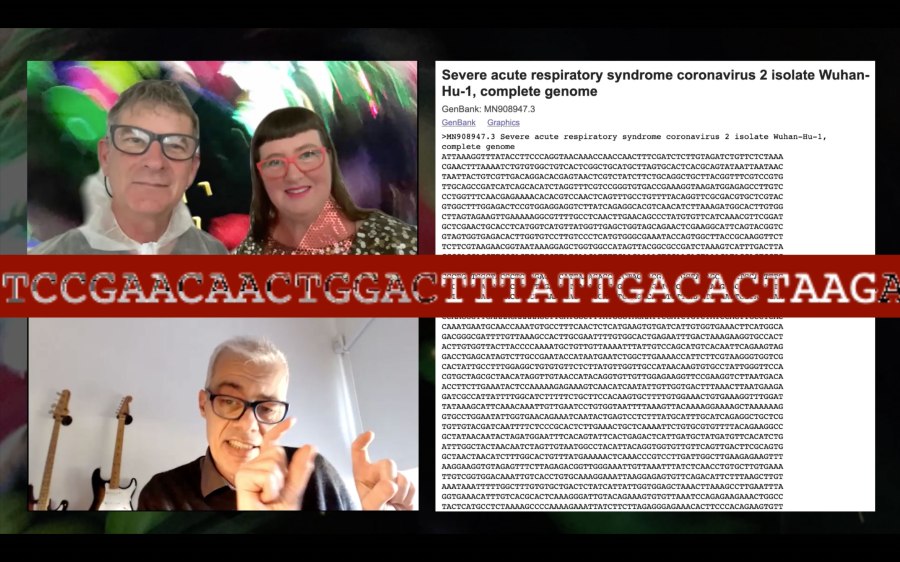
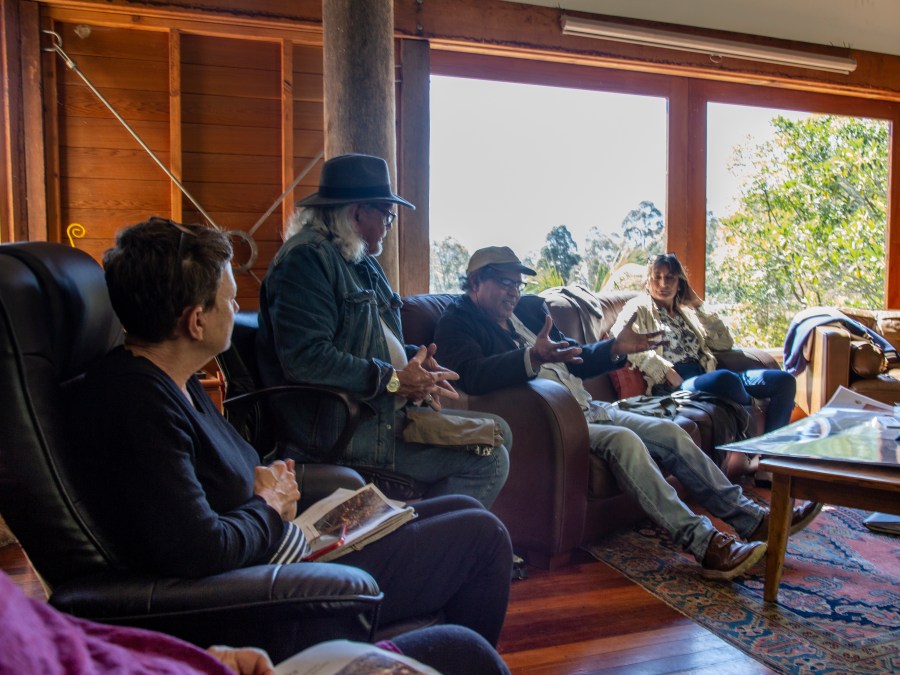
Interview from Science+Dance online ZOOM party




 Paterson Allyn Williams Science & Ideas Hub